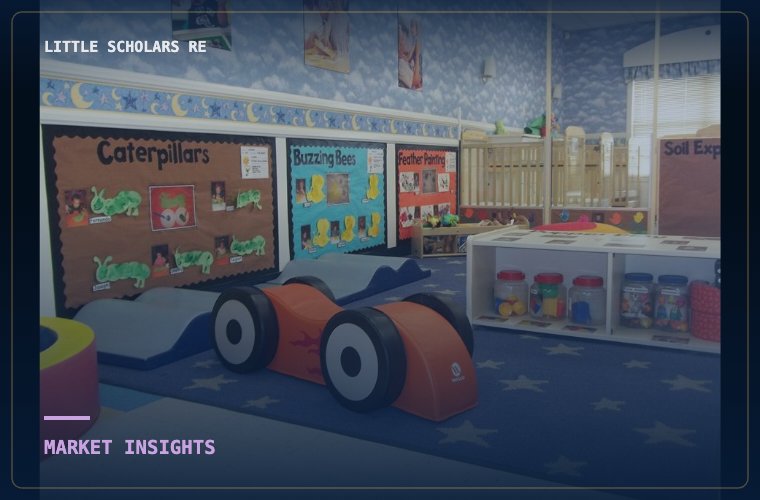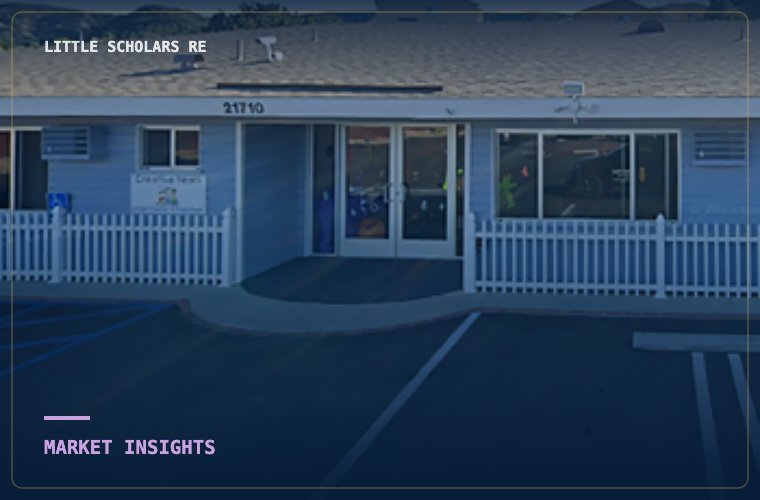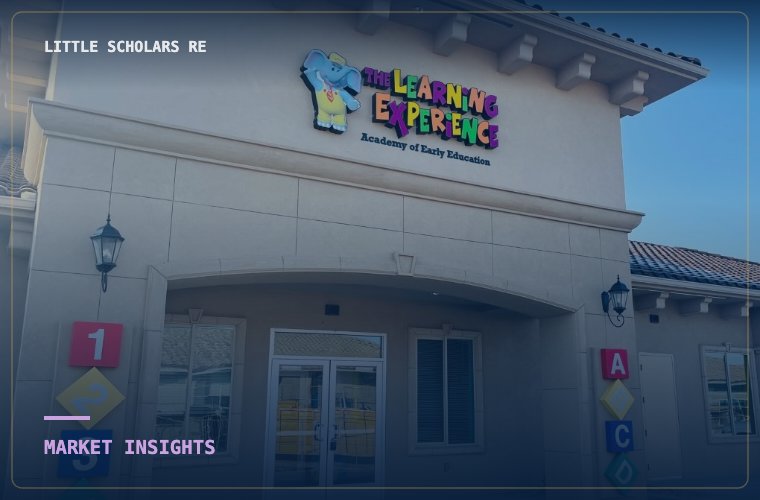
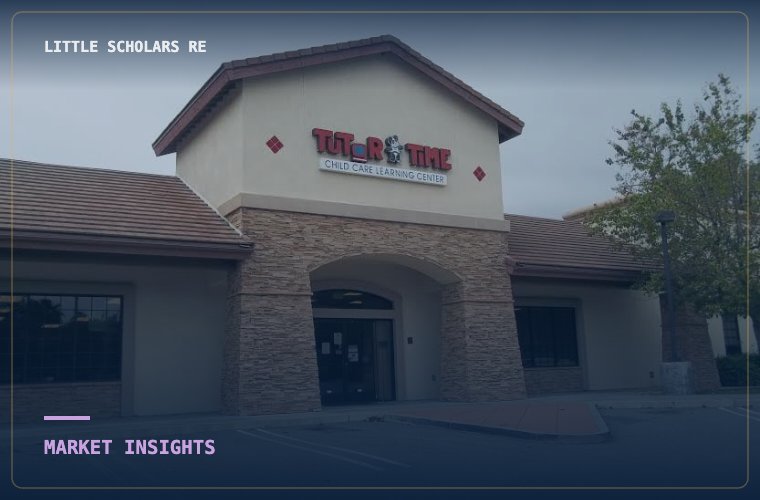
By 2024 many centers had finally clawed back to pre-pandemic occupancy. The recovery was real — and so were the new pressures arriving right behind it.
Occupancy came back
After the disruption of 2020–2021, enrollment steadily recovered. Operators like The Learning Experience exceeded pre-COVID operating levels, and Bright Horizons projected a return to pre-pandemic occupancy by early-to-mid 2024, with more than 35% of its centers above 70% occupancy following Q1 2023.
The return-to-office trend and sustained female labor-force participation kept demand for formal childcare strong, especially for infant and toddler slots.
But the headwinds shifted
The challenge was no longer demand — it was the cost and availability of staff, and the expiration of the grant funding that had stabilized revenue during the pandemic. Labor became the binding constraint, with vacancy rates pressuring margins even at well-enrolled centers.
For operators, the recovery rewarded those with brand, scale, and pricing power; for independents without those advantages, rising costs were harder to absorb.
The investment takeaway
Recovered, stable enrollment made quality childcare real estate more attractive than ever to net-lease investors. But the same forces thinning the operator ranks reinforced a now-familiar theme: existing, well-run centers were becoming harder to replace, and therefore more valuable.
Find out what your school is worth.
A confidential, no-pressure valuation from a broker who has owned, operated, and sold childcare centers for nearly 40 years.

Alan Stahl
Founder & CEO of Little Scholars Real Estate. Alan has owned, operated, and brokered childcare centers for nearly 40 years, with 80 transactions closed across 18+ states. Meet Alan and the team →