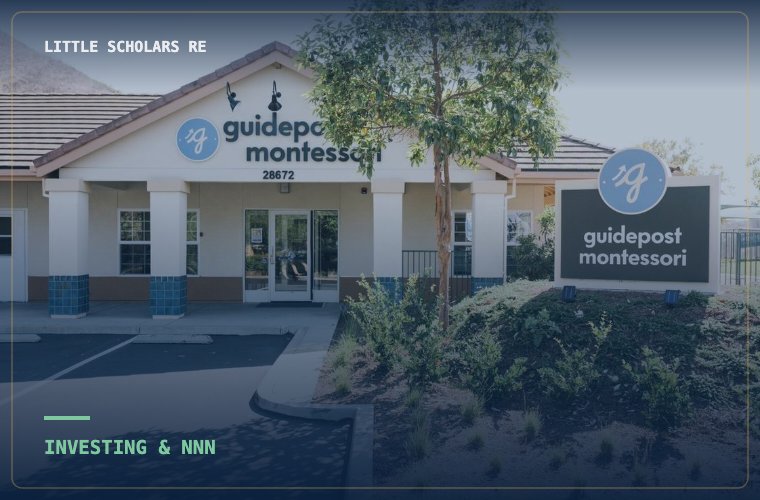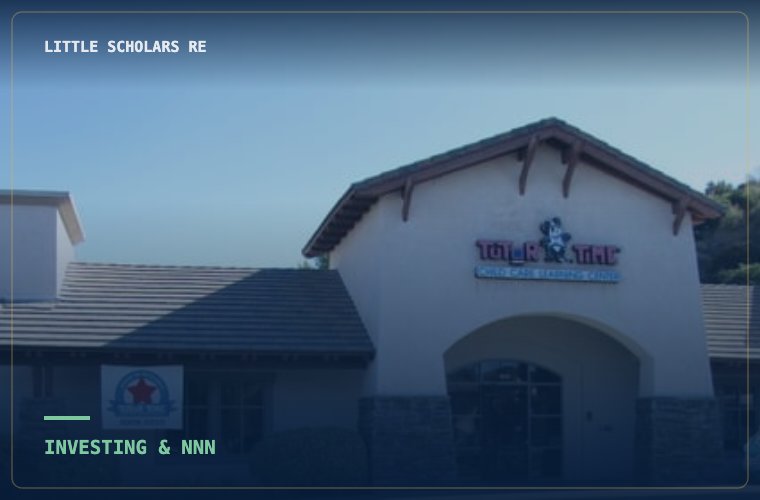
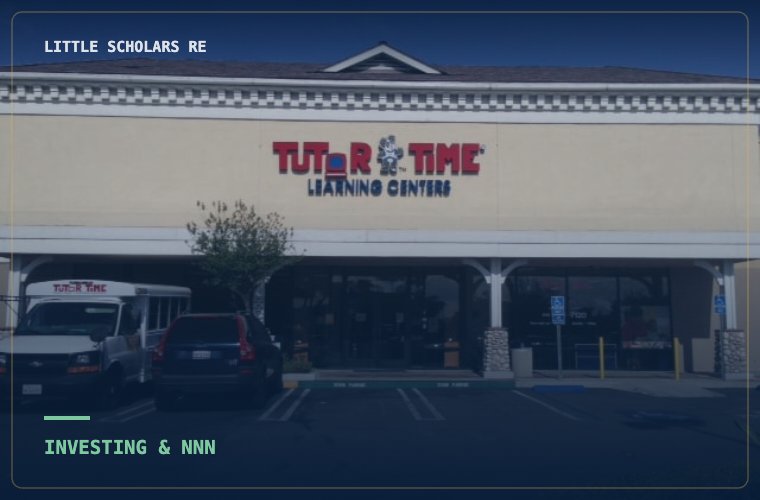
In 2022, triple-net childcare real estate stepped into the institutional spotlight — a multibillion-dollar, steadily growing market that savvy investors had finally learned to read.
An overlooked asset class comes of age
For years investors overlooked childcare because it was unfamiliar, and early-education assets traded at a discount to other single-tenant properties like banks, pharmacies, and quick-service restaurants. What many didn't realize was that some childcare companies are worth billions and back each lease with a full corporate guaranty.
The pandemic changed that perception, putting large-scale operators in the limelight and revealing both the sector's essential nature and the government's willingness to support it in a crisis.
Why NNN childcare attracted capital
A triple-net lease shifts taxes, insurance, and maintenance to the tenant, leaving the owner with clean, passive income. Backed by a creditworthy operator on a 15- or 20-year term, a childcare center became an appealing source of defensive cash flow.
With most early-education buildings ranging 8,000–12,000 square feet on long leases, and cap rates from the upper 5% to low 7% depending on structure, the risk-adjusted returns drew high-net-worth and institutional buyers alike.
A market still growing
Underpinning the investment case was a large, expanding market: childcare in the U.S. is a multibillion-dollar industry growing several percent a year, supported by durable demand and chronic undersupply. 2022 was the year that story became impossible for investors to ignore.
Find out what your school is worth.
A confidential, no-pressure valuation from a broker who has owned, operated, and sold childcare centers for nearly 40 years.

Alan Stahl
Founder & CEO of Little Scholars Real Estate. Alan has owned, operated, and brokered childcare centers for nearly 40 years, with 80 transactions closed across 18+ states. Meet Alan and the team →